
Dong Tao: The Unique Vietnamese Chicken Breed with a Rich History
November 24, 2024If you’re wondering what the benefits of raising guinea fowl are, the answer is simple: these hardy, intelligent, and low-maintenance birds can transform your property. Guinea fowl naturally control pests like ticks and insects, act as vigilant flock guardians, and provide nutritious meat and eggs—all while costing less to feed and care for than most poultry. Whether you have a backyard garden or a full-scale homestead, raising guinea fowl can help you achieve cleaner grounds, fewer pests, and more sustainable food production with minimal effort. Buy Guinea Fowl
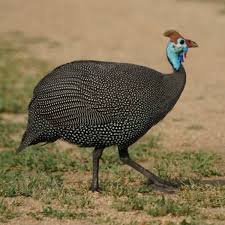
1. Natural Pest Control You Don’t Have to Pay For
One of the biggest advantages of raising guinea fowl is their incredible ability to eliminate pests—without the need for harmful chemicals or traps.
a) Tick and Insect Elimination
Guinea fowl are natural foragers with a voracious appetite for insects. They spend their days scouring the ground for ticks, beetles, grasshoppers, spiders, flies, and other small pests. Many farmers introduce guinea fowl specifically to help reduce tick populations, which can lower the risk of tick-borne diseases such as Lyme disease.
Their foraging habits extend beyond ticks. They also consume worms, snails, and small snakes, which makes them excellent organic pest managers. Unlike chickens, they rarely damage gardens while foraging, making them an ideal addition to properties with flowerbeds, lawns, or vegetable patches.
b) Gentle on Gardens
While chickens love to scratch the soil and uproot plants, guinea fowl tend to walk lightly over the land. They eat the pests but leave your plants intact, meaning you can enjoy a lush garden and natural pest control at the same time. If you’re a gardener who’s tired of fighting off slugs or grasshoppers, guinea fowl are a quiet (and eco-friendly) solution.
c) Lower Feed Costs Through Foraging
Because they are such efficient hunters, guinea fowl can gather much of their food from the environment. When allowed to free-range, they can meet up to 90% of their dietary needs by eating insects, seeds, and greens. This means you spend less on feed and supplements—saving money while maintaining a healthy, active flock.
2. The Natural Alarm System: Flock and Property Protection
Beyond their pest control abilities, guinea fowl are known for their sharp senses and loud, distinctive calls. They are like living security alarms for your property.
a) Always on Alert
Guinea fowl have exceptional hearing and sight. The moment they detect movement or danger—such as a predator, stray animal, or unfamiliar person—they make a loud, shrill call that alerts the rest of the flock. Many homesteaders keep them as “watchbirds” to warn chickens, ducks, or even the household of approaching threats.
b) Predator Deterrence
Predators like foxes, raccoons, and snakes think twice before entering a property patrolled by guinea fowl. Their constant motion, group behavior, and alarm calls often scare off intruders before they get close. At night, guinea fowl prefer to roost in high places, which also protects them from ground predators.
c) Ideal Companions for Other Poultry
Guinea fowl can coexist with chickens, ducks, and turkeys when introduced properly. Their alert nature benefits the entire flock by keeping everyone on edge against predators. They may be territorial at times, but when raised from a young age with other birds, they integrate smoothly and add a valuable layer of protection to your poultry setup.
3. Nutritious Eggs and Lean, Flavorful Meat
Raising guinea fowl is not only about pest control—it can also diversify your food supply with healthy, high-quality products.
a) Unique Egg Production
Guinea hens lay small, thick-shelled eggs that are packed with nutrients. The yolks are proportionally larger than those of chicken eggs, giving them a rich flavor and vibrant color. On average, a hen can produce between 80 and 130 eggs per year. Because the shells are so strong, guinea eggs have a longer shelf life and are less likely to break during collection or transport.
b) Lean, Protein-Rich Meat
Guinea fowl meat is considered a delicacy in many parts of the world. It’s leaner than chicken, with higher protein content and less fat. The flavor is slightly gamey, similar to pheasant, making it a favorite among chefs and food enthusiasts seeking a healthier alternative to traditional poultry.
Nutritionally, guinea fowl meat is rich in iron, zinc, and vitamin B-complex, while being low in cholesterol. For anyone raising birds for personal consumption or small-scale sale, guinea fowl provide a premium meat product that stands out from the usual fare.
c) Added Value for Small Farms
Because guinea fowl eggs and meat are still uncommon in many markets, they can become a niche product that sets your homestead apart. Some people even sell their feathers for crafts, fly-fishing lures, or decorations, creating another small revenue stream from these versatile birds.
4. Low-Maintenance and Cost-Effective to Raise
Compared to many other poultry species, guinea fowl require minimal care once they’re established.
a) Self-Sufficient Feeders
Thanks to their strong foraging instincts, guinea fowl often feed themselves through most of the year if allowed to roam. This drastically reduces your reliance on store-bought feed and makes them an affordable long-term investment for pest control and food production.
b) Naturally Hardy Birds
Guinea fowl are known for their resilience. They handle heat, humidity, and even moderate cold better than many chickens. Their immune systems are strong, and they rarely suffer from common poultry illnesses. As long as they have access to clean water, shelter, and adequate space, they thrive with little human intervention.
c) A Few Quirks to Know
While guinea fowl are easy to care for, they do come with a few unique habits that new keepers should understand:
- They are loud. Guinea fowl are vocal by nature. Their calls can be frequent, especially when something new or suspicious appears nearby.
- They like to roam. Guinea fowl are excellent fliers and wanderers. If your property isn’t fully fenced, you might occasionally see them exploring beyond your boundaries.
- They hide their nests. Guinea hens prefer laying eggs in tall grass or secluded spots, so finding their eggs can sometimes turn into a treasure hunt.
- They can be independent. Guinea fowl aren’t as tame or affectionate as chickens. They enjoy their freedom and often move as a tight group, doing their own thing.
Once you understand and accept these quirks, caring for guinea fowl becomes straightforward and rewarding.
5. How to Raise Guinea Fowl Successfully
To make the most of your flock, it’s important to set them up for success right from the start.
a) Provide Room to Roam
Guinea fowl thrive when they have space to explore. If you have pasture, orchard, or a large yard, they’ll naturally patrol the area and keep it pest-free. In smaller backyards, ensure they have at least a few square feet per bird in their coop and a secure outdoor run.
b) Offer Safe Night Shelters
Even though guinea fowl often roost in trees, providing a coop helps protect them from predators and bad weather. A tall perch, good ventilation, and a secure enclosure are essential. Training them to return to the coop each evening helps keep your flock safe and easier to manage.
c) Integrate with Other Birds Early
If you plan to keep guinea fowl with chickens or ducks, raise them together from a young age. This helps them bond and reduces aggression later. Adult guinea fowl can be territorial, so early integration is key.
d) Collect Eggs Regularly
Because guinea hens lay in hidden spots, check their favorite areas daily to avoid losing eggs or having them spoil. Marking their nesting spots and training them to lay in boxes can help over time.
e) Check Local Regulations
In some neighborhoods, guinea fowl may be restricted due to noise or roaming behavior. Always check your local bylaws before starting a flock to ensure compliance and avoid conflicts with neighbors.
6. Why Guinea Fowl Are a Smart Addition to Any Homestead
Here’s a quick summary of the main benefits of raising guinea fowl:
- Outstanding pest control: They eat ticks, flies, and insects naturally.
- Reliable security: Their loud calls alert you to intruders and predators.
- Nutritious food source: Lean meat and protein-rich eggs.
- Low feed costs: They forage for most of their food.
- Hardy and disease-resistant: Require less care than many poultry breeds.
- Eco-friendly: Reduce the need for pesticides and chemical treatments.
- Unique products: Eggs, meat, and feathers can be sold for extra income.
These traits make guinea fowl perfect for sustainable and organic farming operations. Whether you’re an experienced farmer or just starting your backyard flock, guinea fowl can offer big returns for minimal effort.
7. Final Thoughts: The Unsung Heroes of the Homestead
Raising guinea fowl combines practicality with sustainability. They keep your land free of pests, act as living alarms, and provide healthy food—all while being hardy and inexpensive to maintain. They might be noisier and more independent than chickens, but their benefits far outweigh the occasional quirks.
If you have the space and patience to accommodate their adventurous spirit, guinea fowl will reward you with cleaner grounds, healthier soil, and a more secure homestead. In short, these birds are a smart, sustainable investment for anyone seeking natural pest
